 11
11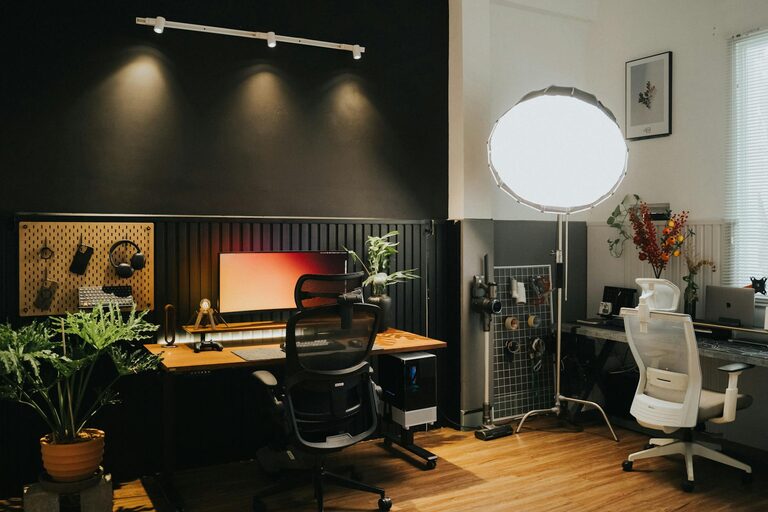
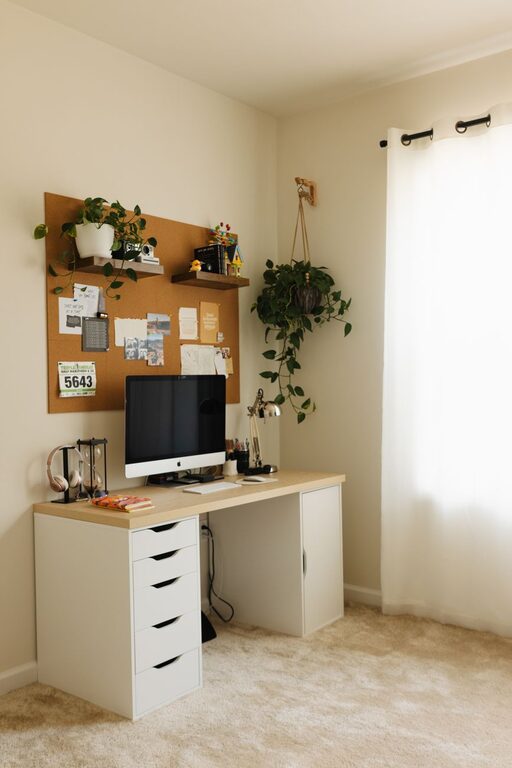
Creating a cozy and inviting home workspace is essential for maintaining focus, comfort, and motivation throughout your workday. Whether you’re working remotely full-time or just need a dedicated spot for occasional tasks, a thoughtfully designed workspace can improve your productivity and well-being. Here are practical tips to help you transform any corner of your home into a comfortable and inspiring work area.
The first step is finding an ideal spot in your home where you can work with minimal distractions. Consider the following when selecting your workspace location:
– Natural Light: Try to set up near a window to benefit from natural sunlight. Natural light can boost mood and reduce eye strain.
– Quietness: A quiet area with less foot traffic will help you stay focused.
– Space: Ensure there is enough room for your desk, chair, and necessary tools without feeling cramped.
Comfort is key to sustaining long hours of work. Here’s what to focus on:
– Ergonomic Chair: Choose a chair that supports your back and promotes good posture.
– Desk Height: Your desk should allow your arms to rest comfortably while typing, with elbows at around 90 degrees.
– Adjustable Elements: Consider sit-stand desks or chairs with adjustable heights to keep your body active.
Adding personal items can make your workspace feel welcoming and uniquely yours:
– Artwork or Photos: Hang pictures or artworks that inspire you or bring positive memories.
– Plants: Include some indoor plants to bring life and freshness. Plants can improve air quality and reduce stress.
– Decor: Use soft rugs, throw pillows, or colorful desk accessories to create a cozy ambiance.
Proper lighting is essential for reducing eye strain and maintaining energy:
– Task Lighting: Add a desk lamp with adjustable brightness for focused tasks.
– Ambient Lighting: Use warm, soft lighting in the room to create a relaxing atmosphere.
– Reduce Glare: Position your monitor away from direct sunlight to minimize screen glare.
A tidy workspace helps clear your mind and increases efficiency. Here are some organization tips:
– Storage Solutions: Use shelves, drawers, and organizers to keep supplies neat and within reach.
– Cable Management: Use clips or ties to manage cables and reduce clutter.
– Minimalism: Keep only the essentials on your desk to avoid distractions.
Technology is an important part of any workspace. Make sure your setup supports your workflow:
– Reliable Internet: Ensure you have a fast and stable internet connection.
– Quality Equipment: Invest in a good keyboard, mouse, and monitor for comfort and efficiency.
– Noise Control: Use headphones or noise-canceling devices if background noise is an issue.
Taking regular breaks is important for productivity and mental health:
– Comfortable Seating: Arrange a small lounge chair or bean bag nearby for short breaks.
– Refreshments: Keep a water bottle or coffee station close to stay hydrated and refreshed.
A comfortable temperature and fresh air improve concentration:
– Adjustable Thermostat: Maintain a temperature between 68-72°F (20-22°C) for comfort.
– Ventilation: Open windows when possible or use an air purifier for good air quality.
Design your workspace to support a consistent work routine:
– Start and End Rituals: Use your workspace only during work hours to separate work and personal life.
– Daily Setup: Begin your day by setting up your desk and reviewing your tasks, creating a productive mindset.
Creating a cozy and inviting home workspace doesn’t require a big budget or lots of space. Thoughtfully selecting your location, investing in comfort, personalizing your surroundings, organizing efficiently, and ensuring proper lighting and technology all contribute to a more pleasant and productive workday. With these tips, you can design a workspace that encourages focus, creativity, and well-being every day.